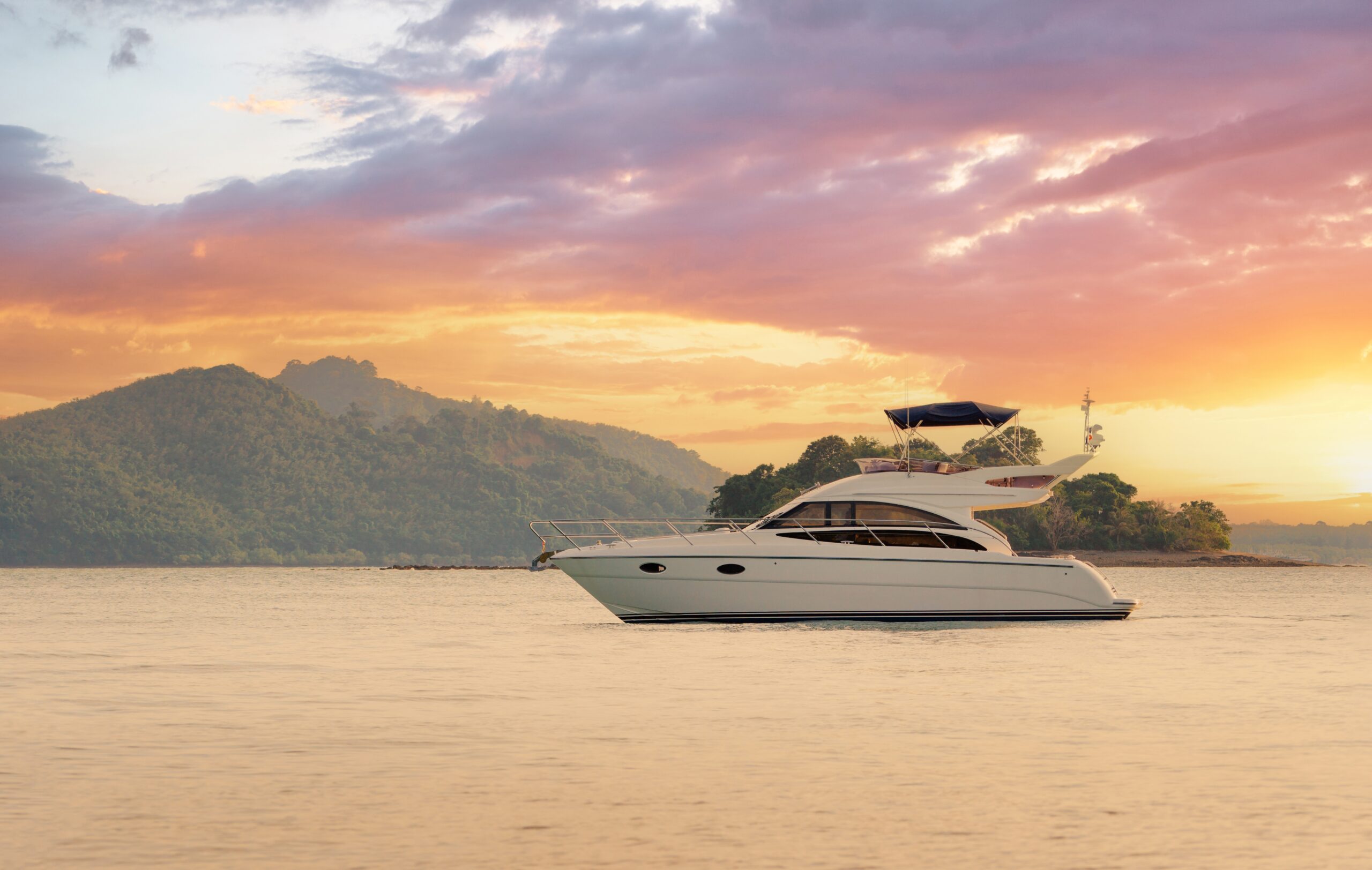






































































Living on a yacht goes from being a holiday destination to a home, as it combines aspects of freedom, routine, and adventure. Daily chores such as keeping things running, having to walk on a constantly moving deck, and living on a yacht in a small space require a lifestyle adjustment. It does result in new views every day, but it certainly is not simple.
What Are the Benefits of Living on a Yacht?
Living on a yacht gives one the freedom to travel between islands and coastal towns, turning your home into a mobile base for exploration.
Another major advantage is living close to nature. Rather than walking through traffic on your way to work or dragging yourself home after a long day, you could wake up next to a serene bay, have a quick swim before you even eat breakfast, and have dolphins pass your yacht… unbelievable scenery, a huge plus in the yacht lifestyle.
Another wonderful mental benefit is unexpected. Life on the water inspires the slow pace and a more present approach to time, providing a digital detox at sea when a bad internet connection minimizes distractions.
A yacht promotes a minimalist lifestyle. It requires you to choose only the needs and leave all other temptations at the dock. Nothing is unnecessary in such a limited space. Built-in onboard storage, movable furniture, and convertible rooms all contribute to living comfortably on a yacht.
Spending time in marinas and anchorages connects you to an international yacht community where sailors share advice on routes, weather, repairs, and hidden places.
What Are the Challenges of Living on a Yacht?
The romantic image of living on a yacht leaves out one important detail: the sea does not care about your plans.
Weather conditions are always subject to change, and the sea conditions can make a pleasant day a real challenge. Rough seas have a huge impact on how one gets to sleep, cook, and walk around the boat. The key is also to adapt to constant movement, cramped spaces, storms, and the physicality of it all.
That adaptation is one of the less glamorous realities of living aboard a yacht. You learn to keep one hand free when moving around, secure objects before rough weather arrives, and accept that the floor will not always feel perfectly horizontal.
Practical limitations matter too. Water supply is finite, onboard power has to be managed, and electricity may depend on batteries, shore power, solar systems, or a generator. Fuel is another ongoing expense, especially for a motor yacht. A broken pump, damaged sail, or electrical fault cannot simply be ignored. Yacht maintenance, boat maintenance, and unexpected yacht repairs become part of everyday life.
Solitude has trade-offs; privacy on a yacht offers seclusion, but its small surroundings reduces personal space versus a home. Sharing cabins and common areas requires comfort with closeness.
How Does Living on a Yacht Change Your Daily Routine?
Daily life on a yacht is shaped by the environment. A typical day on a yacht may start by looking at the weather, not the calendar. You need to think about the wind and waves before you leave any anchorage, marina, or hove-to out of a marina.
Yet life on a boat is more complicated: groceries have to be bought in appropriate places, water is rationed and there is less of it, showers have to be shorter, and the fridge is much smaller than that of a kitchen. Thus, outdoor living mixes with everyday activities; breakfast, swimming, sailing, and remote work are all carried out on deck; however, cooking, washing, and laundry are continually taking place on land.
Working online while living on a yacht is challenging due to unreliable internet at sea. This is an important consideration for anyone considering full-time yacht living while working online.
You also have to develop practical skills. Sailing skills, navigation, and boat handling become more than hobbies if you are responsible for moving your home. Even on a professionally crewed yacht, understanding basic yacht safety and knowing where the safety equipment is kept is essential.
In other words, living on a yacht does not eliminate routine. It simply relocates it from a house to a constantly moving environment.
How Much Does Living on a Yacht Cost?
The cost of living on a yacht varies enormously. There is no single monthly figure because expenses depend on the yacht, location, season, crew, and how often you move.
Routine yacht expenses cover everything that isn’t the initial purchase. These include, but are not limited to: mooring, fuel, insurance, crew, equipment, maintenance and repairs, and consumables like provisions. While anchoring reduces costs, it requires suitable weather and water conditions, as well as following local regulations.
The size of a yacht has a large influence on costs. Small sailing yachts cost significantly less than large motor yachts with multiple yacht amenities.
Similarly, there exists a trade-off between leisure and independence, whereby the marina’s facilities tempt, but the privacy of the anchorage requires one to be independent.
Therefore, anyone who is considering living on a boat must establish a realistic budget that encompasses the expected monthly costs, as well as some reserve for emergencies.
Where Can You Go When Living on a Yacht?
One of the best things about living on a yacht is the fact that your destination can change depending on the season, the weather, and what you are in the mood for.
Apart from warm-water cruising, Thailand has beautiful tropical islands, safe bays, lively resorts, and extensive cruising possibilities, whereas the Maldives’ atolls and their pristine waters are perfect for swimming, diving, enjoying sunsets, and stopping for parking in remote locations.
The Seychelles are another natural choice for sailors who want dramatic scenery, tropical beaches, and island-hopping. In the Mediterranean, Greece combines hundreds of islands with historic towns, traditional harbours, and excellent opportunities for coastal cruising.
The key advantage is not visiting destinations quickly, but experiencing them slowly. You stay longer in places you love and leave when ready.
That flexibility is central to life on a yacht. A journey that mixes secluded bays and village supply runs is not always geographically logical. Unexpected sailor encounters and spontaneous route changes beautifully become part of the true adventure.
What Type of Yacht Is Best for Living?
The best yacht depends on how you intend to use it. The classic motor yacht vs sailing yacht question is really a question about lifestyle.
A sailing yacht appeals to those who enjoy true sailing, offering a deep connection to wind and sea, but requires skill and active engagement in changing weather.
A motor yacht provides speed, easy handling, and reliable travel times, ideal for exploring more. However, it consumes more fuel and has higher operating costs.
A catamaran is another popular choice for long-term living on a yacht. Its stable, spacious layout is ideal for prolonged living, with more outdoor area and less heeling than monohulls, suiting newcomers.
A monohull, meanwhile, may appeal to people who enjoy traditional sailing characteristics and a narrower profile. Ultimately, yacht size, layout, storage, stability, propulsion, and maintenance requirements matter more than a simple label.
Yacht builders are adjusting to the latest yachting trends by producing vessels for longer weeks at sea, which include greater connectivity and efficiency, as well as more flexible separate living and working quarters.
Living on a Yacht vs Taking a Yacht Charter
A yacht charter lets you experience living on a yacht without committing to the responsibilities of ownership or permanent life at sea. This makes chartering an excellent way to discover whether the lifestyle actually suits you.
On a charter, it’s possible to learn what it’s like to sleep on board, cook in a small galley, deal with minimal amounts of water, tie to a buoy, and modify plans to suit the weather, all while considering different yacht configurations for new home consideration.
The difference becomes obvious when comparing a holiday with living on a yacht full time. A charter has a set start and end; you go home after, with crew handling tasks. Permanent yacht living makes maintenance, provisioning, budgeting, and repairs part of your daily life.
For that reason, chartering can be a useful trial run of ‘can you live on a yacht’ without turning the dream into an expensive experiment.
Final Thoughts
So, can you live on a yacht? Yes, many do, whether through permanent self-employment or other types of long-term residence. However, it’s not at all like living in your own floating suite–instead, it’s more like discovering a completely new means of structuring everyday life.
The road often meant bruises, storms, bad satellite links, limited water, and even some loneliness. However, these hardships found themselves increasingly overshadowed by the feeling of freedom, changing scenery, wildlife, new friends, and the sense of total integration with the road.
The most important question for someone thinking about living on a yacht full time is probably not ‘does it look beautiful’. Because it does. The better question is: ‘Are you okay with the uneven balance, constraining space, hands-on home, and the fact that your home rolls under your feet?’
If your answer is yes, living on a yacht may go well beyond a wonderful way to travel. It may be a different kind of home, where the horizon is part of the address.