



































































A trip on a yacht should mean the freedom of the open water and exciting new views that the sea provides. It should not be about what might go wrong. But even a professional sailor is much more at ease if they can fall back on yacht safety rules. Safety on board begins even before departure, and during the entire journey there are ways to improve safety.
On the first yacht trip that you would like to do, small changes can make your yachting experience not only safer but also peaceful.
| Yacht safety checklist | What to check |
| Life-saving gear | life jacket, personal flotation device, first aid kit |
| Navigation | GPS, chartplotter, nautical charts, navigation lights |
| Emergency gear | VHF radio, fire extinguisher, bilge pump |
| Deck preparation | mooring lines, fenders, anchor and anchor line |
| Before departure | weather forecast, sea conditions, wind conditions, crew briefing |
Why Safety on Board Matters?
The sea can change quickly, even on a calm-looking day. Good safety on board gives everyone a shared plan before conditions become difficult. Stronger winds, unexpected waves, poor visibility, or changing tide and currents can turn a pleasant outing into an emergency situation. That is why boating safety is not just a captain’s responsibility. Everyone should understand basic safety rules on board.
Clear yacht safety rules help passengers know where to stand, what equipment to use, and how to react when something unexpected happens. Good onboard safety also reduces panic because people already know the safety procedures before they need them.
This matters especially when exploring exotic destinations. Popular charter areas such as the Bahamas, French Polynesia, Norway, and Montenegro have different weather, coastlines, currents, and navigation conditions. Local knowledge and a practical yacht safety checklist should therefore be part of every itinerary. A little yacht safety insight also helps when comparing a catamaran vs yacht for your holiday.
Essential Yacht Safety Rules Before You Set Sail
The safest voyage is made at the dock. It is the captain and crew who should be doing the pre-departure checks and complete boat inspection before leaving. They have to check fuel, engine batteries, steering, bilges, engines, navigation systems, communication equipment, etc. Test whether the bilge pump is running and whether the anchor and anchor line are ready to be used.
Next comes voyage planning. Review the route, nautical charts, GPS, chartplotter, expected sea conditions, and weather forecast. Good route planning should account for wind conditions, tides and currents, safe harbors, and possible alternatives.
A proper safety briefing should cover where the life jacket and other safety equipment are stored, how to use the VHF radio, and what to do during an emergency situation. The captain and crew should explain the man overboard procedure, fire response, and evacuation arrangements.
Following these yacht safety rules is especially important for guests unfamiliar with sailing. You do not need to become a sailor overnight. You simply need to know the basics and listen to the crew.
Safety on Board While the Yacht Is Underway
Once underway, follow the captain’s instructions. Maintaining safety on board is a shared responsibility, not a reason to micromanage every passenger. Avoid unnecessary movement on deck. Wet surfaces, sudden acceleration, and unexpected waves can cause falls. Hold handrails when moving around, keep walkways clear, and never sit or stand in unsafe areas.
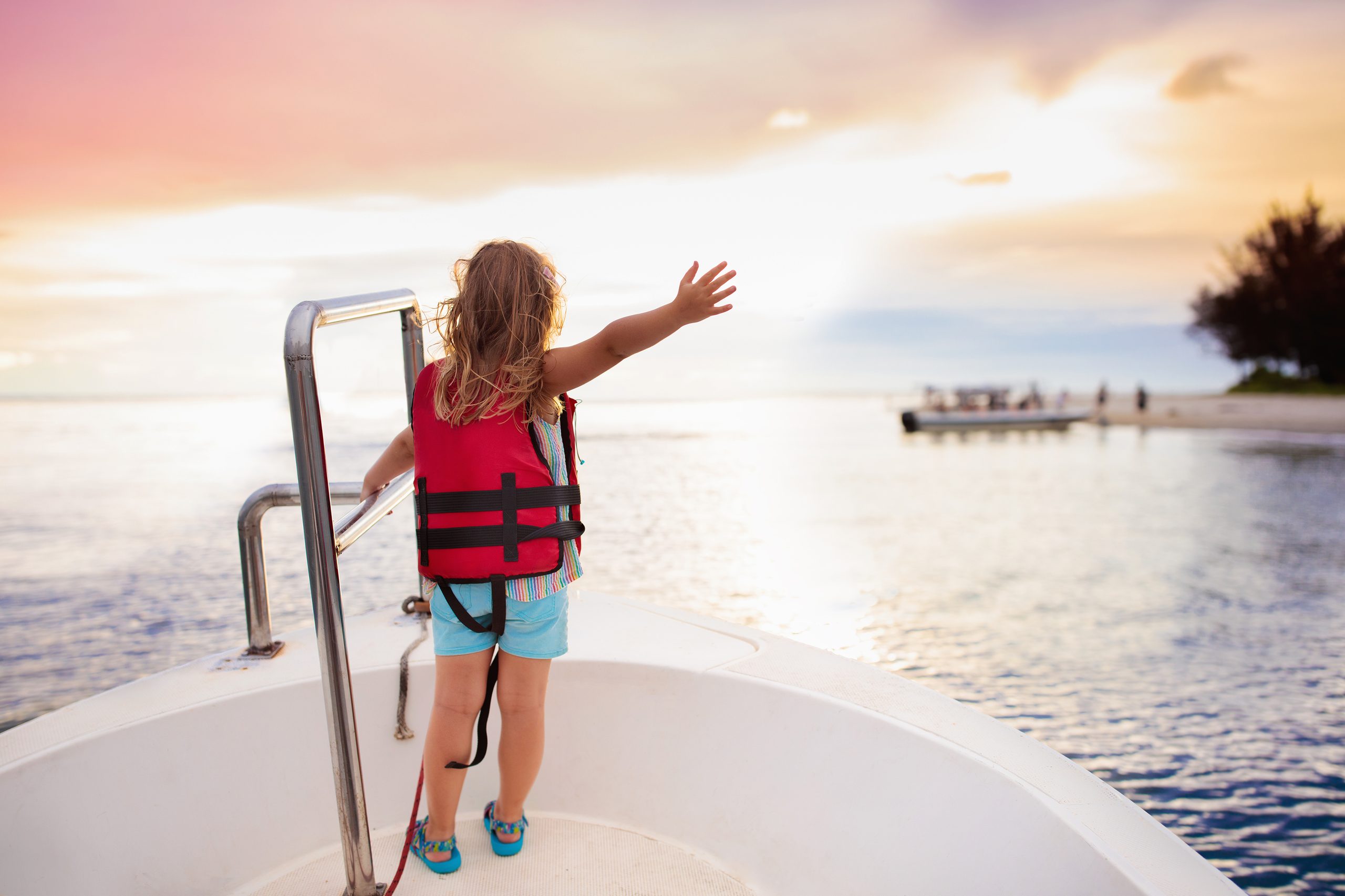
Your personal flotation device should be used whenever the captain requires it, particularly in rough sea conditions, during water activities, or when visibility is poor. Children and inexperienced swimmers may need additional precautions.
Respect navigation rules and right-of-way rules, and never interfere with the captain while they are maneuvering. Keep a safe distance from the helm and stay alert near the bow, stern, and swim platform. These simple safety rules on board support effective onboard safety without making the trip feel restrictive.
Another important part of safety on board is staying aware of changing weather. Check updates during longer passages rather than relying only on the forecast received before departure. Modern yachting trends may bring more people to remote anchorages and unfamiliar cruising grounds, making preparation even more valuable.
Safety Equipment Every Yacht Should Have
In most cases, a private charter yacht will have enough safety gear and emergency equipment aboard to meet the requirements. Of course, what exactly is aboard depends on the type of yacht, where it is sailing, etc., so there will never be a fixed list of what is available in any given yacht for a private charter. But, in general, the list is the following:
- life jacket and other flotation devices for everyone on board;
- a stocked first aid kit;
- fire extinguisher and suitable fire-fighting equipment;
- functioning VHF radio and other communication devices;
- navigation equipment, including GPS, chartplotter, and navigation lights;
- an operational bilge pump;
- anchor and anchor line, plus suitable mooring lines and fenders;
- emergency signaling equipment for sending distress signals.
Being aware of the location of the safety equipment onboard is a part of proper yacht safety rules, but knowing how to operate it is equally important. You may ask the crew to show the way with the new equipment before you sail away.
What to Do in Bad Weather or an Emergency on Board
When the weather deteriorates, stay calm. Strong safety on board habits make it easier to act without panic. The crew may change course, reduce speed, seek shelter, or return to port. Passengers should move to safer areas, secure loose objects, and put on flotation equipment if instructed.
Do not rely on the fact that wind and waves conditions do not change fast. In the event the storm is a strong one, stay indoors at the suggestion of the ship’s captain, stay away from areas where decks and hulls are exposed, and do not open doors or hatches without a good reason. These are fundamental best practices for yacht safety.
If someone goes overboard, immediately alert the captain and shout “man overboard.” Keep the person in sight if it is safe to do so, point continuously toward them, and follow the captain’s man overboard procedure. Do not jump into the water after them unless specifically trained and instructed.
In any emergency, clear communication is essential. Use the VHF radio to contact the appropriate maritime authority when instructed, and follow established emergency procedures. Your yacht safety rules are there to create a predictable response when stress is high.
Safety on board doesn’t mean that you are spending your holidays just worrying about every possible problem. It is more a matter of being prepared, listening to the crew, and seeing safety on board as part of yachting. With sound yacht safety rules, common-sense in planning, and necessary gear, you will be able to concentrate on a yacht charter–what it’s really about–enjoying the sea safely.
FAQ
How to prevent injury?
Make sure you are carrying the right floating gear and do not take chances by leaving it at your cabin. Also, keep in touch with your companions through handholds when crossing a boat’s deck or platform, and be careful when choosing where to place your feet. Most of the time, a simple captain’s talk can help the crew avoid the most common mistakes.
What to do during a storm?
Follow the captain’s directions, move to a secure area, fasten or hold onto suitable supports, and use a life jacket when instructed. Do not go onto exposed decks unless necessary. Following yacht safety rules is more important than trying to watch the storm from outside.
What if a person falls overboard?
Call up the alarm right away, inform the captain, get to the individual, and do the man overboard procedure. Do not jump into the water without instruction. The crew will coordinate the recovery using the yacht’s equipment.
How to prevent a fire?
Your cooking equipment should never be left out of sight. Keep things that can catch fire, like papers or plastics, away from a flame. At the very least, if you suspect there might be a fire, immediately report. Find out where the fire extinguisher is located so that you can follow basic fire safety procedures. Following yacht safety rules can help prevent a small thing from escalating into a big fire emergency.
How to signal for help?
Follow the captain’s instructions and use the VHF radio to send an appropriate distress call when necessary. Depending on the situation and equipment available, visual distress signals may also be used. Knowing how to communicate during an emergency is a core part of safety on board.