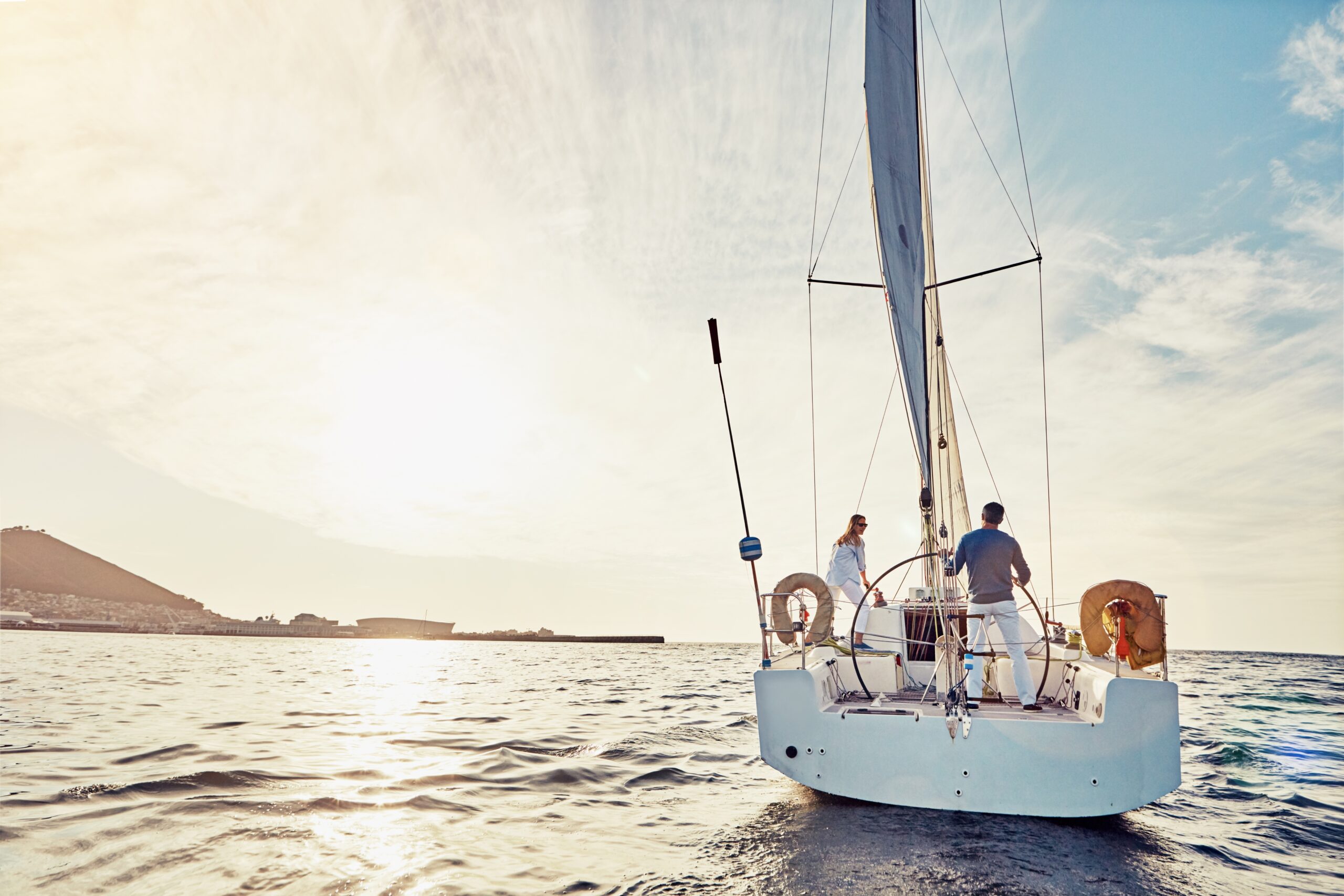



















































A yachting holiday allows you to combine pleasant hotel-like accommodation, spectacular seascapes, and freedom to travel at your own speed. But what is life on a yacht during a cruise actually like? Daily experiences range from waking up gently swayed by waves to stargazing and dining. Below is how you organize a friends’ sailing holiday, a romantic getaway, or a private trip with the crew to partake in a superb yacht cruise experience.
What Does a Typical Day on a Yacht Cruise Look Like?
A typical day on a yacht offers a great deal of flexibility–more than hotels or large cruise ships. Randomly visit a quiet bay? Yes, please. Lunch at sea? Any time. Exploring an easy-on-the-eye coastal town? Off you go! The daily routine on board begins with breakfast and planning, while the captain checks weather and sea conditions to determine departure times and stops.
A major attraction of life at sea is the adventure of traveling itself. Sailing between destinations gives you a chance to visit hidden places which are very difficult or even inaccessible by car. The daily agenda is pretty much dictated by the ship’s plan but can also vary–for example, you can anchor in a bay, drop your anchor in a local harbor, or just lie around at the marina for several hours. When the weather is good, there is a high chance that some day will feature swimming stops in crystal-clear water and then be followed by snorkeling or sunbathing on deck. As for evenings, enjoy watching the sunset at sea. So, in short, the schedule is influenced by the ship type, the weather, and the time on land you have at hand.
The setting also matters greatly! For instance, the visitor might be wandering through ancient coastal towns in Malta, enjoying sandy beaches and palm-fringed shores of tropical islands in Thailand, hiking the rugged mountains of remote landscapes of Iceland, or swimming in waters teeming with life in the marine environment of Belize. All of those destinations provide adventures not like any other. So choose wisely!
What Is It Like to Stay in a Yacht Cabin?
Yacht cabins maximize compact space, offering essential comfort between activities and destinations despite being smaller than standard hotel bedrooms. The cabin layouts vary by yacht size and design–from spacious owner suites to multiple smaller guest cabins. Private cabins suit couples and travellers seeking privacy on board, while shared cabins may be available for guests comfortable sharing accommodation.
When comparing onboard accommodation, consider more than the number of beds. Look at the cabin’s dimensions, storage options, ventilation, natural light, and bathroom arrangements. Larger yachts may offer ensuite facilities, while smaller sailing vessels can have shared bathrooms.
A yacht cabin typically includes a bed, lighting, and storage for clothing and personal belongings. However, limited storage space is a normal feature of yacht travel. Choosing a small suitcase or soft travel bag and packing light will make everything much, much easier.
The feeling of sleeping on a yacht varies for every individual–it is influenced by the gentle movement of the boat and the sound of the water and wind that surround it. Depending on the hull design, water depth, weather and wind conditions, movement of the yacht may vary from a very stable one on sheltered waters to a rather active one at sea on a stormy day. Motion-sensitive passengers should select an adequate route and accommodation before making a booking.
When choosing a yacht, consider its bathroom and shower on board, which range from private bathrooms with conventional showers to compact alternatives. Marine toilets differ from household toilets and must be used according to crew instructions. Fresh water supply is limited and may be stored onboard or produced by onboard equipment, depending on the vessel’s systems. Short showers and careful water conservation help keep facilities available throughout the trip.
Generally speaking, comfort on a yacht is a matter of both the ship design and your own comfort standards. If you are quite familiar with both the size of cabins and on-board equipment, you will have a much easier time.
Where Do You Eat on a Yacht?
Of course, none should underestimate the food question. The galley, a ship’s kitchen, has a very different setup in sailing yachts and motor yachts. Sailing yachts have galleys that are pretty small, while motor yachts may provide fully equipped ones. A crew may use fresh ingredients brought locally; self-catering guests are the ones doing the buying/cooking. Meals on board could be something like this: breakfast including fruit, pastries, eggs, and coffee served at the departure time; after a morning swim, have a light salad or seafood for lunch; then find a sheltered anchoring spot and prepare a decent dinner.
Dining while on a yacht holiday can be a really pleasant outdoor deck dining experience, with the sea as a background, fresh air, and a nice, relaxed atmosphere if the weather is good. But if it’s cold or the weather is not stable, guests can have their meal in the indoor saloon, which is also a central area for living and dining. The stern cockpit at the back of sailing yachts is a place where people can sit, chat over drinks or a meal, and generally spend some nice time together either during the sailing or the anchoring phase.
On a crewed charter, the yacht crew handles meals, serving, cleaning, and daily tasks according to the agreed service level. Catering ranges from a private chef to simpler options, with dietary needs discussed before departure. Dining can include onboard meals and local cuisine from harbour restaurants, markets, and shore-sourced ingredients. Before booking, confirm whether provisions, drinks, restaurant visits, and special dining arrangements are included or cost extra to budget accurately and plan meals.
What Other Facilities Can You Use on a Yacht?
Beyond relaxation, onboard activities can make the journey more engaging. Guests might practise sailing under the crew’s guidance, play games, read, take photographs, or explore the water using suitable equipment onboard amenities can provide. The right activities depend on local conditions, available equipment, and the rules set by the captain.
Yacht connectivity and electricity vary by vessel and location. Wi-Fi on a yacht may use mobile networks or satellites, offering better coverage near populated coastlines than in remote areas. Those needing the internet for work should confirm arrangements in advance. Most yachts provide electricity on board for device charging, but outlet availability, voltage, and capacity differ, and some equipment may be restricted away from shore power, especially on smaller vessels.
Is Life on a Yacht Comfortable for First-Time Travelers?
Yes, if the yacht and the itinerary match your level of comfort on a yacht, a first-time sailing charter could be a delightful experience and definitely one of the best ideas for beginners! You don’t have to know how to sail before a first yacht trip. A sailing tour is an excellent opportunity for novices if it’s a crewed yacht charter. Then, the captain and crew will be the ones to steer the boat and control your yacht so you, as charter guests, can enjoy yacht comfort along with exploration.
Going through a comparison of yacht tour or cruise tour travel can help you determine your ideal holiday option. Usually, larger cruise ships have more onboard amenities, a variety of dining options, and scheduled activities to cater for hundreds to thousands of guests at a time. On the other hand, a yacht will give you the opportunity to spend time with a smaller group in total luxury, to choose what you want to see along the way, and to discover secluded coastal areas.
Looking at the yacht vs. hotel holiday now, a hotel holiday is a safe accommodation and a place with easy access to facilities, while the yacht, on the other hand, is an accommodation and transportation that changes the surroundings when you are traveling. One of those things that is quite unique is the necessity to accept a limited space and the sharing of rooms with other people.
Most importantly, safety on board should be considered as a key element by a first-time visitor: listen to the onboard safety briefing (emergency procedures, life jackets, safe movement), obey the captain’s orders while the yacht is sailing, anchoring, or engaging in water sports. In the case of seasickness, you should consult with the charter company prior to your departure, decide on a route that is less windy, and consult with the medical staff for methods to avoid seasickness.
Sharing a charter boat enables tourists who have common interests to get to know each other and possibly of yacht networking at sea, whereas chartering the boat exclusively will give you the freedom to arrange who joins you and the activities on the boat. The most popular yachts for charter may offer appealing designs and facilities, but the best choice is the one that fits your group size, budget, destination, and preferred level of comfort.
Final Thoughts
Yacht travel combines leisure and exploration, from swimming in hidden bays to having supper under the stars. You need to prepare for a life aboard a yacht with the scarce space, the need to save water and electricity, and the changing conditions of the sea. Visitors can also use Sparks Life to compare yachts and their routes and eventually settle on a charter that is best for their active sailing holiday or for an easy-going escapade without having to do any work, as the crew will be there for them.